Currently browsing category

Books, Page 7

Books

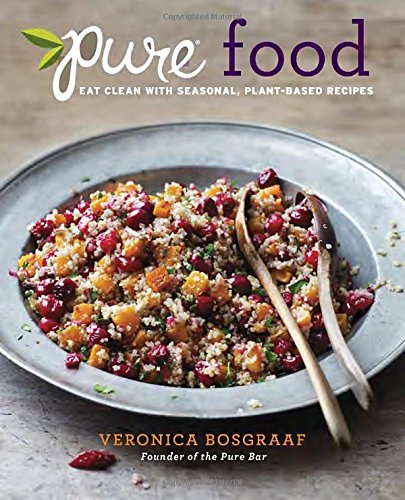
Pure Food: Eat Clean with Seasonal, Plant-Based Recipes

Bring more whole, real ingredients into your kitchen and replace processed foods with the 120 plant-based recipes in Pure Food.  A busy mother of three who was frustrated with trying to find healthy, organic snacks for her kids, Veronica Bosgraaf decided to make one herself, the Pure Bar. Now nationally available and widely beloved, the bar kick started a nutrition overhaul in Veronica’s home. Clean foods and a new, simple way of cooking and eating replaced anything overly processed and loaded with sugar.      Organized by month to take advantage of seasonal produce, Pure Food shares Veronica’s easy vegetarian recipes, many of which are vegan and gluten-free, too.    • January: Lemon Ricotta Pancakes, Winter Garlic and Vegetable Stew, Chocolate Rice Pudding    • April: Asparagus with Turmeric-Spiced Almonds, Egg Noodles with Wild Mushrooms and Spring Greens, Roasted Cauliflower with Quinoa and Cashews    • July: Watermelon Mint Salad, Grilled Garlic and Summer Squash Skewers with Chimichurri, The Perfect Veggie Burger    • November: Caramelized Pear Muffins, Parsnip and Thyme Cream Soup, Wild Rice and Pecan Stuffing   With 18 color photographs and tips for “cleaning” your kitchen and lifestyle—from drying your own herbs to getting rid of chemical cleaners—Pure Food shows the simple steps you can take to make your cooking and living more healthful.
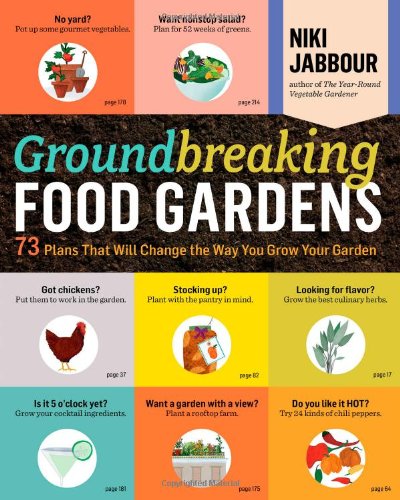
Groundbreaking Food Gardens: 73 Plans That Will Change the Way You Grow Your Garden

Vegetable gardens can be designed for flavor AND fun! Niki Jabbour, author of the best-selling The Year-Round Vegetable Gardener, has collected 73 plans for novel and inspiring food gardens from her favorite superstar gardeners, including Amy Stewart, Amanda Thomsen, Barbara Pleasant, Dave DeWitt, and Jessi Bloom. You’ll find a garden that provides salad greens 52 weeks a year, another that supplies your favorite cocktail ingredients, one that you plant on a balcony, one that encourages pollinators, one that grows 24 kinds of chile peppers, and dozens more. Each plan is fully illustrated and includes a profile of the contributor, the story behind the design, and a plant list.

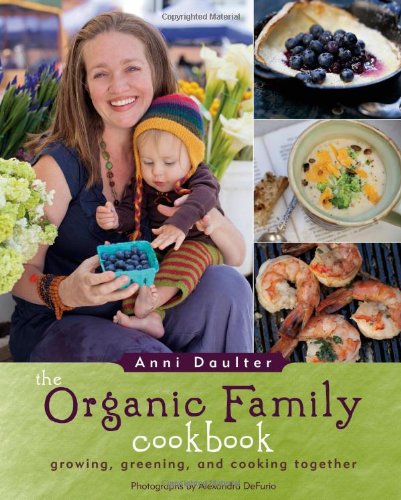
The Organic Family Cookbook: growing, greening, and cooking together

This inspiring cookbook answers the call for healthy recipes for family-friendly organic meals — snacks, breakfasts, lunches, dinners, desserts, and extras. Sidebars and tips throughout promote green living — organic child- and family-specific gardening ideas and inspiration for community building and sustainable living. Recipes use easily obtainable ingredients from standard grocers, green markets, or the small family garden plot. Recipes are both wholesome and kid- and family-tested approved! Bonus recipes for favorite, everyday basics and delicious, seasonal treats. Tips and anecdotes throughout the book offer simple gardening, green living, and community-building ideas.

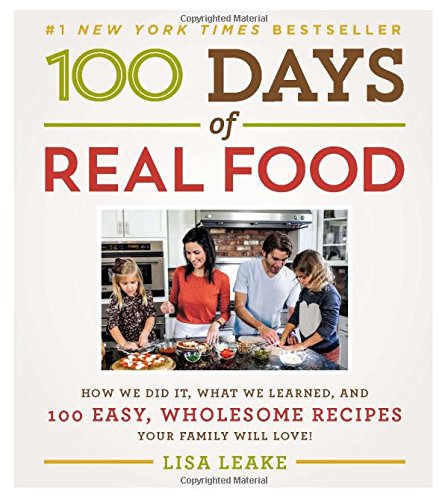
100 Days of Real Food: How We Did It, What We Learned, and 100 Easy, Wholesome Recipes Your Family Will Love

#1 New York Times BestsellerThe creator of the 100 Days of Real Food blog draws from her hugely popular website to offer simple, affordable, family-friendly recipes and practical advice for eliminating processed foods from your family’s diet.Inspired by Michael Pollan’s In Defense of Food, Lisa Leake decided her family’s eating habits needed an overhaul. She, her husband, and their two small girls pledged to go 100 days without eating highly processed or refined foods—a challenge she opened to readers on her blog.Now, she shares their story, offering insights and cost-conscious recipes everyone can use to enjoy wholesome natural food—whole grains, fruits and vegetables, seafood, locally raised meats, natural juices, dried fruit, seeds, popcorn, natural honey, and more.Illustrated with 125 photographs and filled with step-by-step instructions, this hands-on cookbook and guide includes: Advice for navigating the grocery store and making smart purchases Tips for reading ingredient labels 100 quick and easy recipes for such favorites as Homemade Chicken Nuggets, Whole Wheat Pasta with Kale Pesto Cream Sauce, and Cinnamon Glazed Popcorn Meal plans and suggestions for kid-pleasing school lunches, parties, and snacks “Real Food” anecdotes from the Leakes’ own experiences A 10-day mini starter-program, and much more. 

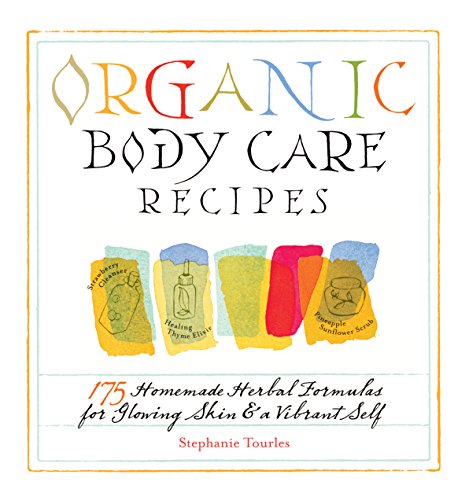
Organic Body Care Recipes: 175 Homemade Herbal Formulas for Glowing Skin & a Vibrant Self

Radiantly healthy skin, hair, feet, hands, eyes, and nails. Commercial beauty products make this promise every day and live up to it with varying degrees of success. Stephanie Tourles offers a better solution to everyone frustrated with the endless cycle of expensive, synthetic, famous-name cosmetics that often fall short of expectations. Take control of beauty treatments with homemade products that use safe, nourishing ingredients to pamper the body and soothe the senses. Tourles, a licensed esthetician, herbalist, and aromatherapist, has developed 175 recipes that are fun, simple, and immensely satisfying to make in home kitchens. Her natural beauty treatments deliver the results promised by department store brands — skin, hair, and nails that glow with vitality and inner wellness. Lotions, scrubs, toners, balms, and masks polish and balance the skin, soothe current problems, and prevent future ones. Shampoos, rinses, and conditioners tone the scalp, boost highlights, and leave hair soft and shiny. The book’s whole-body coverage also includes recipes for hand and footcare, nail treatments, shaving cream, and even popular spa treatments such as microdermabrasion exfoliants, detox and cellulite soaks, ayurvedic oils, and herbal cold salves. Most important, there is never any doubt about the purity of these ingredients! Each formula is clearly presented in recipe style, with notes on prep time, storage, and uses. Many products can be customized according to personal needs, whim, or mood, and they all use readily available, natural ingredients. Organic Body Care Recipes is a natural treasure for every body.

The Rodale Whole Foods Cookbook: With More Than 1,000 Recipes for Choosing, Cooking, & Preserving Natural Ingredients

Farmer’s markets, groceries, and natural foods stores today offer a wealth of wholesome ingredients that even a decade ago were considered unfamiliar and exotic. From quinoa to spelt flour to agave nectar and shiitake mushrooms, natural whole foods like these have come into their own as the cornerstone of a healthy, varied diet. Packed with information for purchasing, storing, and serving the full spectrum of whole foods, The Rodale Whole Foods Cookbook by Dara Demoelt is a comprehensive kitchen resource for contemporary cooks. Based on the classic work, this exhaustively revised edition contains nearly 1,400 recipes—more than one-third of them brand new—and updated guidelines for making the most of fresh meats, produce, and pantry essentials, soup to nuts. Here’s all you need to know to make spectacular soups, stews, salads, baked goods, and more, using whole foods. You’ll find dozens of casseroles (many of which can be made ahead and frozen for no-fuss weeknight meals), quick-and-easy sautés, plenty of meatless main courses, and crowd-pleasing favorites for casual get togethers. Best of all, these recipes are naturally healthful, showcasing the versatility of wholesome whole grains, natural sweeteners, seasonal fruits and vegetables, and other fresh, unprocessed foods in all their delicious variety. Also included are valuable primers on such essential kitchen topics as making stock; putting up jams and preserves; baking yeast breads; choosing cookware; sprouting seeds; making yogurt; and canning vegetables with helpful charts and glossaries on herbs and spices, cheeses, sea vegetables, seasonal produce, roasting meat and fowl, freezing foods safely, and more. A trusted, timeless classic thoroughly updated for the way we cook today, The Rodale Whole Foods Cookbook is sure to become an indispensable resource for health-conscious cooks.

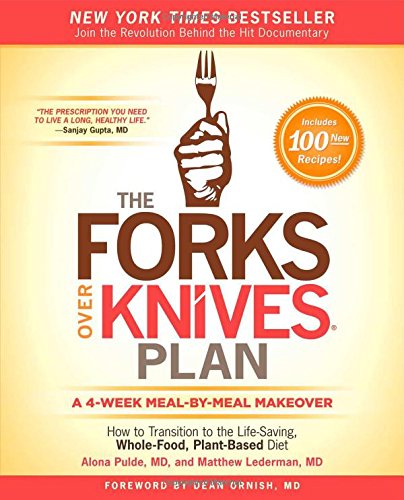
The Forks Over Knives Plan: How to Transition to the Life-Saving, Whole-Food, Plant-Based Diet

The latest in the bestselling Forks Over Knives franchise—a 28-day guide to transitioning to a delicious whole-foods, plant-based diet.The trailblazing film Forks Over Knives helped spark a medical and nutritional revolution. Backed by scientific research, the film’s doctors and expert researchers made a radical but convincing case that modern diseases can be prevented and often reversed by leaving meat, dairy, and highly refined foods off the plate, and adopting a whole-food, plant-based diet instead…and people listened. Now, for the first time, The Forks Over Knives Plan shows you how to put this life-saving (and delicious) diet into practice in your own life. This easy-to-follow, meal-by-meal makeover is the approach Doctors Alona Pulde and Matthew Lederman (featured in the documentary) use every day in their nutritional health practice—a clear, simple plan that focuses on hearty comfort foods and does not involve portion control or worrying about obtaining single nutrients like protein and calcium. Week 1 you’ll begin with breakfast and learn how to stock your refrigerator to help support this new way of eating. Week 2 you’ll move on to lunch and learn the basics of meal planning to keep yourself on track. Week 3 you’ll reimagine dinner and find out how to combat cravings. Week 4 you’ll master all the tricks and tips you’ll need for the long haul, including how to eat on the go and how to snack healthily. You’ll also get 100 simple, tasty recipes to keep you on the right track, beautiful photographs, and advice throughout the book from people just like you. Find out why physicians, athletes, fitness professionals, and others all over the world are overhauling what they eat—and feeling better than even before. Whether you’re already a convert and just want a dietary reboot, or you’re trying a plant-based diet for the first time, The Forks Over Knives Plan makes it easier than ever to transition to this healthiest way of eating…and to maintain it for life.

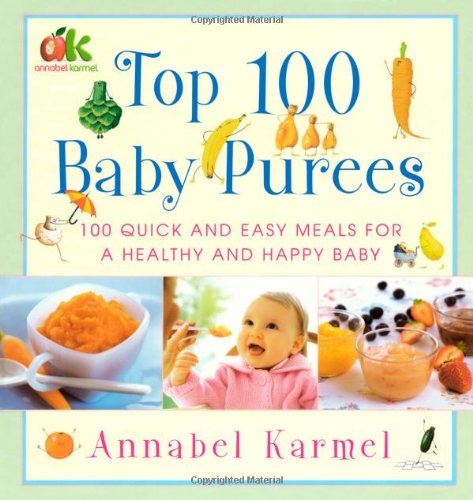
Top 100 Baby Purees

Babies grow more rapidly in their first year than at any other time in their lives, so how you feed your newborn will be one of the most important decisions you make for your new baby. Making your own baby food is not only more economical than buying commercial brands, it also assures that your child consumes only the freshest, top-quality ingredients. British television personality and children’s nutrition expert Annabel Karmel’s essential collection of best-ever purees grants new parents their wish: one hundred quick and easy recipes that will make for a healthy and happy baby. From first tastes and weaning, right through to meals for older babies, all the recipes are suitable for children aged six months and older. And with all these fruit and vegetable favorites, and innovative fish, meat, and chicken purees, the dishes are so tasty you will want to eat them yourself! In addition to easy and delicious recipes, Top 100 Baby Purees also includes information on: Weaning your baby and transitioning to solid foods Food allergies Time-saving food preparation tips Freezing and reheating your homemade baby food Tricks on finding the hidden nutrition in everyday foods Featuring a preface by Dr. Michel Cohen, New York pediatrician and author of The New Basics: A-to-Z Baby & Child Care for the Modern Parent

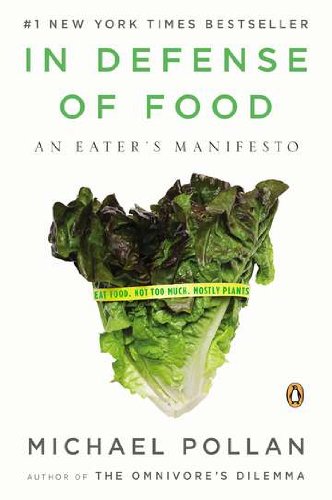
In Defense of Food: An Eater’s Manifesto

#1 New York Times BestsellerFood. There’s plenty of it around, and we all love to eat it. So why should anyone need to defend it?Because in the so-called Western diet, food has been replaced by nutrients, and common sense by confusion–most of what we’re consuming today is longer the product of nature but of food science. The result is what Michael Pollan calls the American Paradox: The more we worry about nutrition, the less healthy we see to become. With In Defense of Food, Pollan proposes a new (and very old) answer to the question of what we should eat that comes down to seven simple but liberating words: “Eat food. Not too much. Mostly plants.” Pollan’s bracing and eloquent manifesto shows us how we can start making thoughtful food choices that will enrich our lives, enlarge our sense of what it means to be healthy, and bring pleasure back to eating.”Michael Pollan [is the] designated repository for the nation’s food conscience.”-Frank Bruni, The New York Times” A remarkable volume . . . engrossing . . . [Pollan] offers those prescriptions Americans so desperately crave.”-The Washington Post”A tough, witty, cogent rebuttal to the proposition that food can be redced to its nutritional components without the loss of something essential… [a] lively, invaluable book.”–Janet Maslin, The New York Times”In Defense of Food is written with Pollan’s customary bite, ringing clarity and brilliance at connecting the dots.”-The Seattle TimesMichael Pollan’s newest book Cooked: A Natural History of Transformation–the story of our most trusted food expert’s culinary education–was published by The Penguin Press in April 2013. 

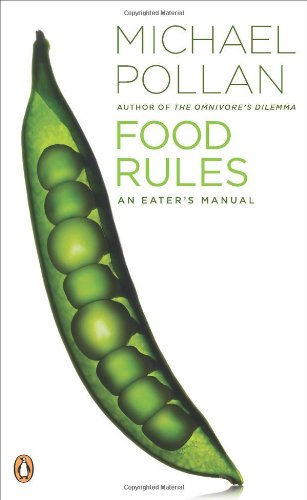
Food Rules: An Eater’s Manual

#1 New York Times BestsellerA definitive compendium of food wisdomEating doesn’t have to be so complicated. In this age of ever-more elaborate diets and conflicting health advice, Food Rules brings welcome simplicity to our daily decisions about food. Written with clarity, concision, and wit that has become bestselling author Michael Pollan’s trademark, this indispensable handbook lays out a set of straightforward, memorable rules for eating wisely, one per page, accompanied by a concise explanation. It’s an easy-to-use guide that draws from a variety of traditions, suggesting how different cultures through the ages have arrived at the same enduring wisdom about food. Whether at the supermarket or an all-you-can-eat buffet, this is the perfect guide for anyone who ever wondered, “What should I eat?””In the more than four decades that I have been reading and writing about the findings of nutritional science, I have come across nothing more intelligent, sensible and simple to follow than the 64 principles outlined in a slender, easy-to-digest new book called Food Rules: An Eater’s Manual, by Michael Pollan.” –Jane Brody, The New York Times “The most sensible diet plan ever? We think it’s the one that Michael Pollan outlined a few years ago: “Eat food. Not too much. Mostly plants.” So we’re happy that in his little new book, Food Rules, Pollan offers more common-sense rules for eating: 64 of them, in fact, all thought-provoking and some laugh-out-loud funny.” –The Houston Chronicle” It doesn’t get much easier than this. Each page has a simple rule, sometimes with a short explanation, sometimes without, that promotes Pollan’s back-to-the-basics-of-food (and-food-enjoyment) philosophy.” –The Los Angeles Times “A useful and funny purse-sized manual that could easily replace all the diet books on your bookshelf.”  –Tara Parker-Pope, The New York TimesMichael Pollan’s newest book Cooked: A Natural History of Transformation–the story of our most trusted food expert’s culinary education–was published by The Penguin Press in April 2013.

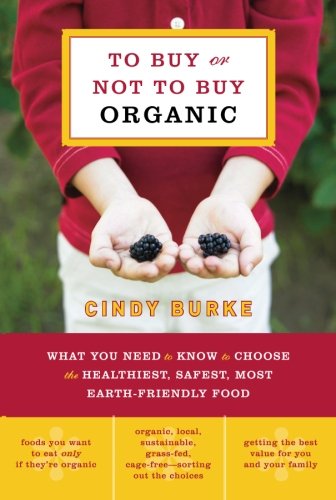
To Buy or Not to Buy Organic: What You Need to Know to Choose the Healthiest, Safest, Most Earth-Friendly Food

Food journalist and former professional chef Cindy Burke writes in the introduction to this book: “Organic food can be so expensive and difficult to find that I always wondered if I was spending my money wisely. I decided to become informed, really informed, about the options — organic, conventional, local, sustainable — so that I could choose the healthiest, safest food available.” To Buy or Not to Buy Organic is the result of Burke’s investigations. It tells you how to choose the healthiest, safest, most earth-friendly food, as you make your way through the supermarket, your local farmer’s market, or your natural foods store. Highlights include: Making sense of the choices presented by organic, local, sustainable, minimally treated, grass-fed and cage-free foods Reducing your exposure to pesticides Save money by knowing the foods you want to eat only if they’re organic and the foods that are pesticide-free even when they are nonorganic Protecting your child’s health from pesticides An at-a-glance shopper’s guide to more than 100 foods

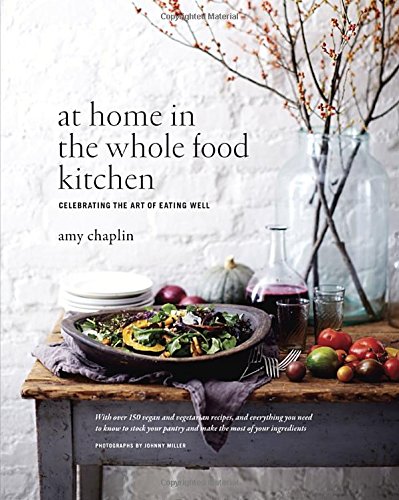
At Home in the Whole Food Kitchen: Celebrating the Art of Eating Well

A sophisticated vegetarian cookbook with all the tools you need to be at home in your kitchen, cooking in the most nourishing and delicious ways—from the foundations of stocking a pantry and understanding your ingredients, to preparing elaborate seasonal feasts. Imagine you are in a bright, breezy kitchen. There are large bowls on the counter full of lush, colorful produce and a cake stand stacked with pretty whole-grain muffins. On the shelves live rows of glass jars containing grains, seeds, beans, nuts, and spices. You open the fridge and therein you find a bottle of fresh almond milk, cooked beans, soaking grains, dressings, ferments, and seasonal produce. This is Amy Chaplin’s kitchen. It is a heavenly place, and this book will make it your kitchen too.With her love of whole food and knowledge as a chef, Chaplin has written a book that will inspire you to eat well at every meal. Part One lays the foundation for stocking the pantry. This is not just a list of food and equipment; it’s real working information—how and why to use ingredients—and an arsenal of simple recipes for daily nourishment. Also included throughout are tips on living a whole food lifestyle: planning weekly menus, why organic is important, composting, plastics vs. glass, drinking tea, doing a whole food cleanse, and much more.Part Two is a collection of recipes (most of which are naturally gluten-free) celebrating vegetarian cuisine in its brightest, whole, sophisticated form. Black rice breakfast pudding with coconut and banana? Yes, please. Beet tartlets with poppy seed crust and white bean fennel filling? I’ll take two. Fragrant eggplant curry with cardamom basmati rice, apricot chutney, and cucumber lime raita? Invite company. Roasted fig raspberry tart with toasted almond crust? There is always room for this kind of dessert. If you are an omnivore, you will delight in this book for its playful use of produce and know-how in balancing food groups. If you are a vegetarian, this book will become your best friend, always there for you when you’re on your own, and ready to lend a hand when you’re sharing food with family and friends. If you are a vegan, you can cook nearly every recipe in this book and feed your body well in the truest sense. This is whole food for everyone.

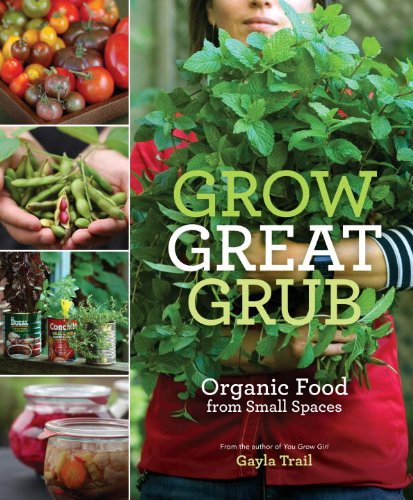
Grow Great Grub: Organic Food from Small Spaces

Your patio, balcony, rooftop, front stoop, boulevard, windowsill, planter box, or fire escape is a potential fresh food garden waiting to happen. In Grow Great Grub, Gayla Trail, the founder of the leading online gardening community (YouGrowGirl.com), shows you how to grow your own delicious, affordable, organic edibles virtually anywhere.                    Grow Great Grub packs in tips and essential information about: – Choosing a location and making the most of your soil (even if it’s less than perfect)- Building a raised bed, compost bin, and self-watering container using recycled materials- Keeping pests and diseases away from your plants—the toxin-free way- Growing bountiful crops in pots and selecting the best heirloom varieties- Cultivating hundreds of plants, from blueberries to Thai basil, to the best tomatoes you’ll ever taste – Canning, and preserving to make the most of your garden’s generosity – Green-friendly, cost-saving, growing, and building projects that are smart and stylish- And much more! Whether you’re looking to eat on a budget or simply experience the pleasure of picking tonight’s meal from right outside your door, this is the must-have book for small-space gardeners—no backyard required.  GAYLA TRAIL is the creator of the acclaimed top gardening website yougrowgirl.com. Her work as a writer and photographer has appeared in publications including The New York Times, Newsweek, Budget Living, and ReadyMade. A resident of Toronto who has grown a garden on her rooftop for more than 10 years, she is the author of You Grow Girl: The Groundbreaking Guide to Gardening.

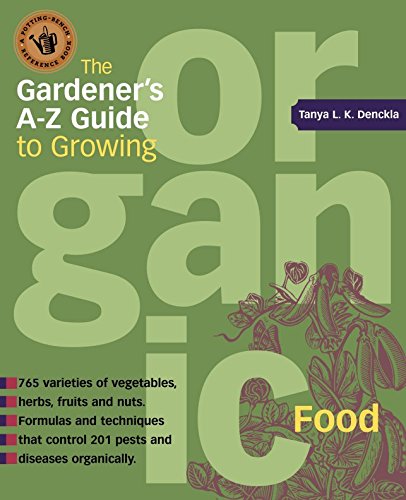
The Gardener’s A-Z Guide to Growing Organic Food

Before it was a book, The Gardener’s A-Z Guide to Growing Organic Food was organic gardener Tanya L. K. Denckla’s highly prized personal database, the distillation of years of careful research and hands-on, real-life, dirt-under-the-fingernails experience in growing her own vegetables, herbs, fruits, and nuts. Now available to all, this easy-to-read sourcebook offers much to gardeners of all skill levels, answering questions quickly and authoritatively so more time can be spent enjoying the garden. Six comprehensive chapters cover vegetables, fruits and nuts, herbs, organic remedies, and allies and companions. Within each chapter plants are arranged alphabetically, making needed information eminently accessible. Individual plant entries provide specific information on planting; temperature; soil and water needs; measurements; seed-starting dates; pests, diseases, allies, companions, and incompatibles, as applicable; when to harvest; how to store produce; and overviews of selected varieties. Fully half of the book is dedicated to organic remedies that can prevent or combat plant diseases and garden pests. Hundreds of common diseases and pests are discussed, as well as which plants are likely to be affected, how to recognize the problem, and tried-and-true natural remedies. The Gardener’s A-Z Guide to Growing Organic Food demystifies how to work collaboratively with the complex natural systems of the environment, making gardening a little easier and definitely more fun.

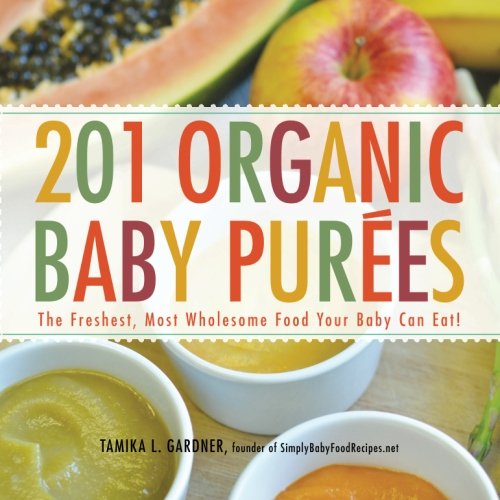
201 Organic Baby Purees: The Freshest, Most Wholesome Food Your Baby Can Eat!

Baby food should be made of the freshest, healthiest ingredients on the planet. Brimming with the biggest variety of purees sure to expand baby’s palate, 201 Organic Baby Purees teaches readers to blend, well-balanced meals right in their own home. As easy-to-prepare as they are nutritious, these recipes include: Basic fruit and veggie blends from apricots to zucchini Classic combinations such as turkey, sweet potato, and corn Superfoods like avocado, blueberries, and spinach Puree-based transition recipes including soups, biscuits, frozen desserts, and more! Free of pesticides, hormones, GMOs, and additives, these delicious purees promote strong immune systems and healthy growth–designed to protect tiny tummies.

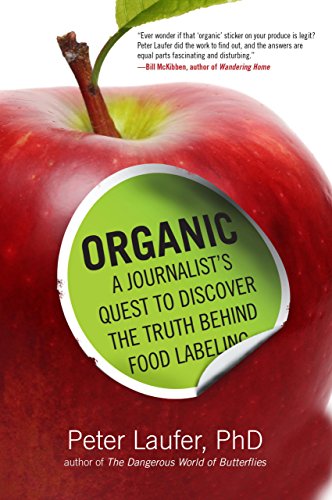
Organic: A Journalist’s Quest to Discover the Truth behind Food Labeling

Part food narrative, part investigation, part adventure story, Organic is an eye-opening and entertaining look into the anything goes world behind the organic label. It is also a wakeup call about the dubious origins of food labeled organic. After eating some suspect organic walnuts that supposedly were produced in Kazakhstan, veteran journalist Peter Laufer chooses a few items from his home pantry and traces their origins back to their source. Along the way he learns how easily we are tricked into taking “organic” claims at face value.With organic foods readily available at supermarket chains, confusion and outright deception about labels have become commonplace. Globalization has allowed food from highly corrupt governments and businesses overseas to pollute the organic market with food that is anything but. The organic environment is like the Wild West: oversight is virtually nonexistent, and deception runs amok. Laufer investigates so-called organic farms in Europe and South America as well as in his own backyard in the Pacific Northwest.The book examines what constitutes organic and by whom the definitions are made. The answers will stun readers, who have been sold a questionable, highly suspect, and even false bill of goods for years. View the book trailer for Organic at: https://www.youtube.com/watch?v=owiACnN69rY.

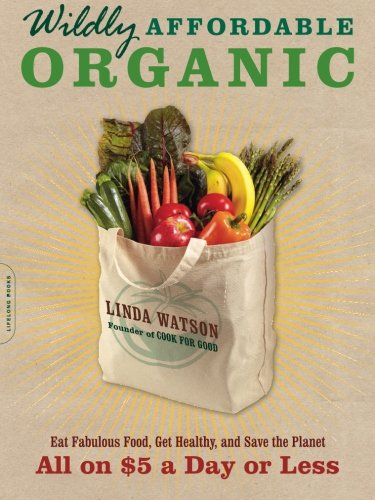
Wildly Affordable Organic: Eat Fabulous Food, Get Healthy, and Save the Planet–All on $5 a Day or Less

Buy Green. Eat Green. Save Green.If you’ve wanted to eat like it matters but felt you couldn’t afford it, Wildly Affordable Organic is for you. It’s easy to think that “organic” is a code word for “expensive,” but it doesn’t have to be. With these ingenious cooking plans and healthy, satisfying recipes, Linda Watson reveals the incredible secret of how you can eat well every day–from blueberry pancakes for breakfast to peach pie for dessert–averaging less than two dollars a meal.Get ready for wild savings! You’ll discover how to:Ease your family into a greener lifestyle with the 20-minute starter planGo organic on just $5 a day–or go thrifty and spend even lessTake advantage of your freezer and freeze your costsFind the best deals at your local farmers’ market or grocery storeCook easy, scrumptious, seasonal dishes from scratchPacked with tips for streamlining meals, from shopping and cooking to washing dishes, this book shows how sustainable living is within everyone’s reach. Slow global warming with delicious dinners? Lose weight, save money, and save the polar bears at the same time? When you live the Wildly Affordable Organic way, it is possible! Join the movement to change the way you eat–and keep the change.

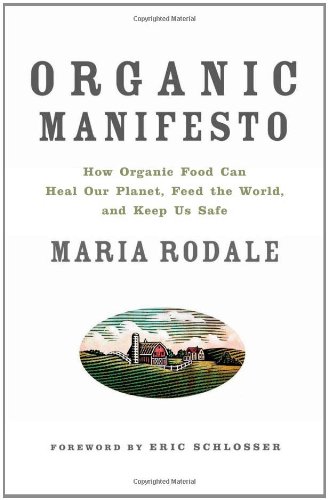
Organic Manifesto: How Organic Food Can Heal Our Planet, Feed the World, and Keep Us Safe

Drawing on findings from leading health researchers as well as conversations with both chemical and organic farmers from coast to coast, Maria Rodale’s Organic Manifesto irrefutably outlines the unacceptably high cost of chemical farming on our health and our environment. She traces the genesis of chemical farming and the rise of the immense companies that profit from it, bringing to light the government’s role in allowing such practices to flourish. She further explains that modern organic farming would not only help reverse climate change by reducing harmful carbon emissions and soil depletion, but would also improve the quality of the food we eat, reduce diseases from asthma to cancer, and ensure a better quality of life in farming communities nationwide.  For every parent wondering how best to safeguard the health and safety of her children; for every environmentalist in search of a solution to the worsening crisis that afflicts our land, air, and waters; for every shopper who questions whether it is worth it to pay more for organic, Maria Rodale offers straightforward answers and a single, definitive course of action: We must demand organic now.

The One-Straw Revolution: An Introduction to Natural Farming (New York Review Books Classics)

Call it “Zen and the Art of Farming” or a “Little Green Book,” Masanobu Fukuoka’s manifesto about farming, eating, and the limits of human knowledge presents a radical challenge to the global systems we rely on for our food. At the same time, it is a spiritual memoir of a man whose innovative system of cultivating the earth reflects a deep faith in the wholeness and balance of the natural world. As Wendell Berry writes in his preface, the book “is valuable to us because it is at once practical and philosophical. It is an inspiring, necessary book about agriculture because it is not just about agriculture.” Trained as a scientist, Fukuoka rejected both modern agribusiness and centuries of agricultural practice, deciding instead that the best forms of cultivation mirror nature’s own laws. Over the next three decades he perfected his so-called “do-nothing” technique: commonsense, sustainable practices that all but eliminate the use of pesticides, fertilizer, tillage, and perhaps most significantly, wasteful effort.Whether you’re a guerrilla gardener or a kitchen gardener, dedicated to slow food or simply looking to live a healthier life, you will find something here—you may even be moved to start a revolution of your own.

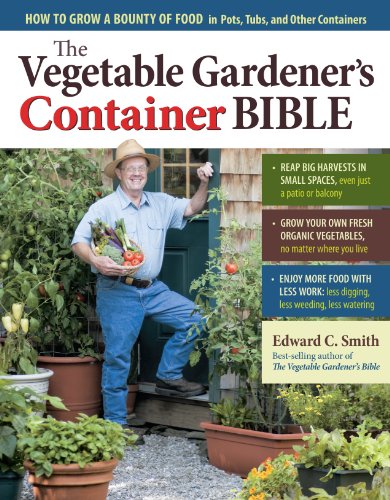
The Vegetable Gardener’s Container Bible: How to Grow a Bounty of Food in Pots, Tubs, and Other Containers

By growing vegetables in containers, even novice gardeners can reap a bounty of organic food in very small spaces. Anyone can harvest tomatoes on a patio, produce a pumpkin in a planter, or grow broccoli on a balcony — it’s easy! Ed Smith shows you how to choose the right plants, select containers and tools, care for plants throughout the growing season, control pests without chemicals, and much more. He even includes plans for small-space container gardens that are perfect for urban and suburban gardeners.