Currently browsing tag

The, Page 5

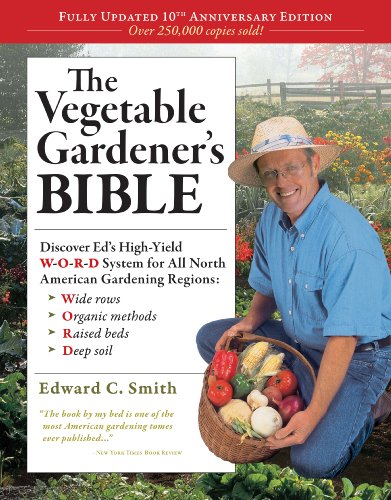
The Vegetable Gardener’s Bible

The invaluable resource for home food gardeners! Ed Smith’s W-O-R-D system has helped countless gardeners grow an abundance of vegetables and herbs. And those tomatoes and zucchini and basil and cucumbers have nourished countless families, neighbors, and friends with delicious, fresh produce. The Vegetable Gardener’s Bible is essential reading for locavores in every corner of North America!Everything you loved about the first edition of The Vegetable Gardener’s Bible is still here: friendly, accessible language; full-color photography; comprehensive vegetable specific information in the A-to-Z section; ahead-of-its-time commitment to organic methods; and much more.Now, Ed Smith is back with a 10th Anniversary Edition for the next generation of vegetable gardeners. New to this edition is coverage of 15 additional vegetables, including an expanded section on salad greens and more European and Asian vegetables. Readers will also find growing information on more fruits and herbs, new cultivar photographs in many vegetable entries, and a much-requested section on extending the season into the winter months. No matter how cold the climate, growers can bring herbs indoors and keep hardy greens alive in cold frames or hoop houses. The impulse to grow vegetables is even stronger in 2009 than it was in 2000, when Storey published The Vegetable Gardener’s Bible. The financial and environmental costs of fossil fuels raise urgent questions: How far should we be shipping food? What are the health costs of petroleum-based pesticides and herbicides? Do we have to rely on megafarms that use gasoline-powered machinery to grow and harvest crops? With every difficult question, more people think, “Maybe I should grow a few vegetables of my own.” This book will continue to answer all their vegetable gardening questions. Praise for the First Edition:”In every small town, there is a vegetable garden that people go out of the way to walk past. Smith is the guy who grew that garden.” — Verlyn Klinkenborg, The New York Times Book Review”An abundance of photographs . . . visually bolster the techniques described, while frequent subheads, sidebars, and information-packed photo captions make the layout user-friendly . . . [Smith’s] book is thorough and infused with practical wisdom and a dry Vermont humor that should endear him to readers.” — Publisher’s Weekly”Smith . . . clearly explains everything novice and experienced gardeners need to know to grow vegetables and herbs. . . . ” — Library Journal”this book will answer all your questions as well as put you on the path to an abundant harvest. As a bonus, anecdotes and stories make this informative book fun to read.” – New York Newsday
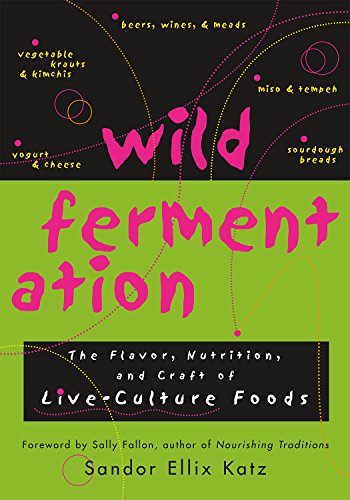
Wild Fermentation: The Flavor, Nutrition, and Craft of Live-Culture Foods

Bread. Cheese. Wine. Beer. Coffee. Chocolate. Most people consume fermented foods and drinks every day. For thousands of years, humans have enjoyed the distinctive flavors and nutrition resulting from the transformative power of microscopic bacteria and fungi. Wild Fermentation: The Flavor, Nutrition, and Craft of Live-Culture Foods is the first cookbook to widely explore the culinary magic of fermentation. “Fermentation has been an important journey of discovery for me,” writes author Sandor Ellix Katz. “I invite you to join me along this effervescent path, well trodden for thousands of years yet largely forgotten in our time and place, bypassed by the superhighway of industrial food production.” The flavors of fermentation are compelling and complex, quite literally alive. This book takes readers on a whirlwind trip through the wide world of fermentation, providing readers with basic and delicious recipes-some familiar, others exotic-that are easy to make at home. The book covers vegetable ferments such as sauerkraut, kimchi, and sour pickles; bean ferments including miso, tempeh, dosas, and idli; dairy ferments including yogurt, kefir, and basic cheesemaking (as well as vegan alternatives); sourdough bread-making; other grain fermentations from Cherokee, African, Japanese, and Russian traditions; extremely simple wine- and beer-making (as well as cider-, mead-, and champagne-making) techniques; and vinegar-making. With nearly 100 recipes, this is the most comprehensive and wide-ranging fermentation cookbook ever published.

The Intelligent Gardener: Growing Nutrient Dense Food

Vegetables, fruits, and grains are a major source of vital nutrients, but centuries of intensive agriculture have depleted our soils to historic lows. As a result, the broccoli you consume today may have less than half of the vitamins and minerals that the equivalent serving would have contained a hundred years ago. This is a matter for serious concern, since poor nutrition has been linked to myriad health problems including cancer, heart disease, obesity, high blood pressure, and diabetes. For optimum health we must increase the nutrient density of our foods to the levels enjoyed by previous generations. To grow produce of the highest nutritional quality the essential minerals lacking in our soil must be replaced, but this re-mineralization calls for far more attention to detail than the simple addition of composted manure or NPK fertilizers. The Intelligent Gardener demystifies the process while simultaneously debunking much of the false and misleading information perpetuated by both the conventional and organic agricultural movements. In doing so, it conclusively establishes the link between healthy soil, healthy food, and healthy people. This practical step-by-step guide and the accompanying customizable web-based spreadsheets go beyond organic and are essential tools for any serious gardener who cares about the quality of the produce they grow. Steve Solomon is the author of several landmark gardening books including Gardening When it Counts and Growing Vegetables West of the Cascades. The founder of the Territorial Seed Company, he has been growing most of his family’s food for over thirty-five years.

Why Should I Eat Organic Foods?: The Pro’s, the Con’s, & Everything You’d Want To Know (Volume 1)

Can You Name 3 Reasons Good Reasons Why You Should Or Shouldn’t Eat Organic Foods? If not, then this book was created for you! Today, it is very important to know how to choose what to eat, and most of all WHY you’re eating it in order to stay healthy, free of disease. MOST of the foods options we have today are potentially harmful – they genetically modified and filled with pesticides, chemicals, and lack the nutrients our bodies need. You will soon discover what organic food is, what foods ARE healthy to eat, and why you should eat organic foods. Most people DO NOT know what organic food is or WHY they should eat it. LEARN:: – The Differences Between Organic And Non Organic Foods – Why Choose Organic Foods? – Organic VS Certified Organic – The Advantages & Disadvantages of Going Organic – Top Products That You Should Buy – The Healthiest Fruits and Vegetables – How Eating Non-Organic Will Affect Your Health

Rich Food Poor Food: The Ultimate Grocery Purchasing System (GPS)

Do you get confused while poring over labels at the grocery store, trying to determine the healthiest options? What makes one box of cereal better for you than another, and how are we supposed to decipher the extensive lists of mysterious ingredients on every package, and then determine whether they are safe or toxic to your family’s health? With nearly 40,000 items populating the average supermarket today, the Rich Food Poor Food – Grocery Purchasing System (GPS), is a unique guide that steers the consumer through the grocery store aisles, directing them to health enhancing Rich Food options while avoiding health detracting Poor Food ones.Rich Food, Poor Food is unique in the grocery store guide arena in that rather than rating a particular food using calories, sodium, or fat as the main criteria, it identifies the products that contain wholesome, micronutrient-rich ingredients that health-conscious shoppers are looking for, like wild caught fish, grass-fed beef, raw/organic cheese, organic meats, pastured eggs and dairy, organic produce and sprouted grains, nuts and seeds, while avoiding over 150 common unwanted Poor Food ingredients such as sugar, high fructose corn syrup, refined flour, GMOs, MSG, artificial colors, flavors and sweeteners, pesticides, nitrites/ nitrates, gluten, and chemical preservatives like BHA and BHT.So while other food swapping grocery guides may give the green light to eating Kellogg’s Fruit Loops with Sprinkles, Oscar Mayer Turkey Bologna and Hostess Twinkies based on their lower calories, sodium, and/or fat levels, you won’t find these heavily processed, food-like products identified as Rich Food choices in Rich Food, Poor Food. That doesn’t mean this guide to micronutrient-sufficient living leads readers to a boring culinary lifestyle. Quite the contrary! The Caltons offer Rich Food choices in every aisle of the store including desserts, snacks, sauces, hot dogs, and other fun foods!This indispensable grocery store guide raises the bar on food quality as it takes readers on an aisle-by-aisle tour, teaching them how to identify potentially problematic ingredients, while sharing tips on how to lock in a food’s nutritional value during preservation and preparation, save money, and make homemade versions of favorite grocery store staples. Regardless of age, dietary preference or current health, Rich Food, Poor Food turns the grocery store and farmer’s market into a micronutrient pharmacy–filling the shopping cart with a natural prescription for better health and longevity.

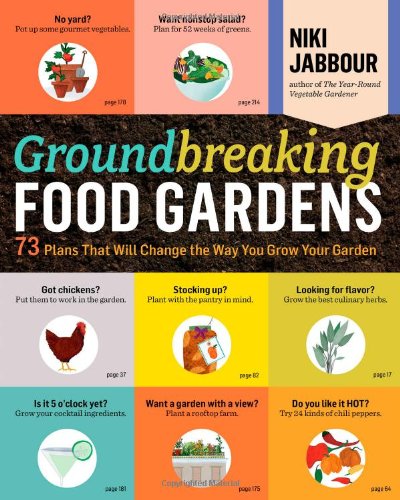
Groundbreaking Food Gardens: 73 Plans That Will Change the Way You Grow Your Garden

Vegetable gardens can be designed for flavor AND fun! Niki Jabbour, author of the best-selling The Year-Round Vegetable Gardener, has collected 73 plans for novel and inspiring food gardens from her favorite superstar gardeners, including Amy Stewart, Amanda Thomsen, Barbara Pleasant, Dave DeWitt, and Jessi Bloom. You’ll find a garden that provides salad greens 52 weeks a year, another that supplies your favorite cocktail ingredients, one that you plant on a balcony, one that encourages pollinators, one that grows 24 kinds of chile peppers, and dozens more. Each plan is fully illustrated and includes a profile of the contributor, the story behind the design, and a plant list.

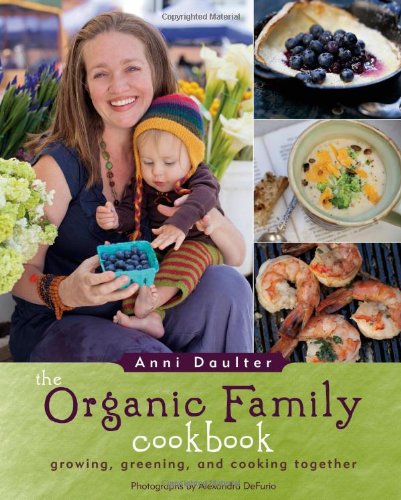
The Organic Family Cookbook: growing, greening, and cooking together

This inspiring cookbook answers the call for healthy recipes for family-friendly organic meals — snacks, breakfasts, lunches, dinners, desserts, and extras. Sidebars and tips throughout promote green living — organic child- and family-specific gardening ideas and inspiration for community building and sustainable living. Recipes use easily obtainable ingredients from standard grocers, green markets, or the small family garden plot. Recipes are both wholesome and kid- and family-tested approved! Bonus recipes for favorite, everyday basics and delicious, seasonal treats. Tips and anecdotes throughout the book offer simple gardening, green living, and community-building ideas.

The Rodale Whole Foods Cookbook: With More Than 1,000 Recipes for Choosing, Cooking, & Preserving Natural Ingredients

Farmer’s markets, groceries, and natural foods stores today offer a wealth of wholesome ingredients that even a decade ago were considered unfamiliar and exotic. From quinoa to spelt flour to agave nectar and shiitake mushrooms, natural whole foods like these have come into their own as the cornerstone of a healthy, varied diet. Packed with information for purchasing, storing, and serving the full spectrum of whole foods, The Rodale Whole Foods Cookbook by Dara Demoelt is a comprehensive kitchen resource for contemporary cooks. Based on the classic work, this exhaustively revised edition contains nearly 1,400 recipes—more than one-third of them brand new—and updated guidelines for making the most of fresh meats, produce, and pantry essentials, soup to nuts. Here’s all you need to know to make spectacular soups, stews, salads, baked goods, and more, using whole foods. You’ll find dozens of casseroles (many of which can be made ahead and frozen for no-fuss weeknight meals), quick-and-easy sautés, plenty of meatless main courses, and crowd-pleasing favorites for casual get togethers. Best of all, these recipes are naturally healthful, showcasing the versatility of wholesome whole grains, natural sweeteners, seasonal fruits and vegetables, and other fresh, unprocessed foods in all their delicious variety. Also included are valuable primers on such essential kitchen topics as making stock; putting up jams and preserves; baking yeast breads; choosing cookware; sprouting seeds; making yogurt; and canning vegetables with helpful charts and glossaries on herbs and spices, cheeses, sea vegetables, seasonal produce, roasting meat and fowl, freezing foods safely, and more. A trusted, timeless classic thoroughly updated for the way we cook today, The Rodale Whole Foods Cookbook is sure to become an indispensable resource for health-conscious cooks.

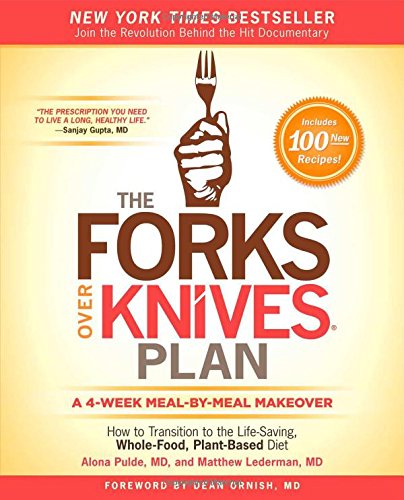
The Forks Over Knives Plan: How to Transition to the Life-Saving, Whole-Food, Plant-Based Diet

The latest in the bestselling Forks Over Knives franchise—a 28-day guide to transitioning to a delicious whole-foods, plant-based diet.The trailblazing film Forks Over Knives helped spark a medical and nutritional revolution. Backed by scientific research, the film’s doctors and expert researchers made a radical but convincing case that modern diseases can be prevented and often reversed by leaving meat, dairy, and highly refined foods off the plate, and adopting a whole-food, plant-based diet instead…and people listened. Now, for the first time, The Forks Over Knives Plan shows you how to put this life-saving (and delicious) diet into practice in your own life. This easy-to-follow, meal-by-meal makeover is the approach Doctors Alona Pulde and Matthew Lederman (featured in the documentary) use every day in their nutritional health practice—a clear, simple plan that focuses on hearty comfort foods and does not involve portion control or worrying about obtaining single nutrients like protein and calcium. Week 1 you’ll begin with breakfast and learn how to stock your refrigerator to help support this new way of eating. Week 2 you’ll move on to lunch and learn the basics of meal planning to keep yourself on track. Week 3 you’ll reimagine dinner and find out how to combat cravings. Week 4 you’ll master all the tricks and tips you’ll need for the long haul, including how to eat on the go and how to snack healthily. You’ll also get 100 simple, tasty recipes to keep you on the right track, beautiful photographs, and advice throughout the book from people just like you. Find out why physicians, athletes, fitness professionals, and others all over the world are overhauling what they eat—and feeling better than even before. Whether you’re already a convert and just want a dietary reboot, or you’re trying a plant-based diet for the first time, The Forks Over Knives Plan makes it easier than ever to transition to this healthiest way of eating…and to maintain it for life.

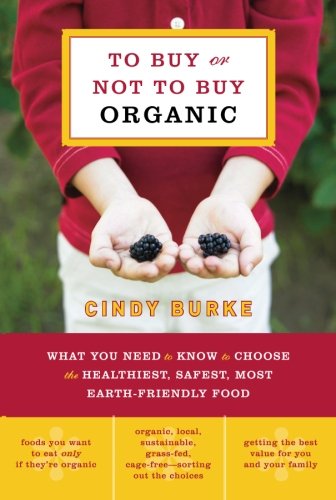
To Buy or Not to Buy Organic: What You Need to Know to Choose the Healthiest, Safest, Most Earth-Friendly Food

Food journalist and former professional chef Cindy Burke writes in the introduction to this book: “Organic food can be so expensive and difficult to find that I always wondered if I was spending my money wisely. I decided to become informed, really informed, about the options — organic, conventional, local, sustainable — so that I could choose the healthiest, safest food available.” To Buy or Not to Buy Organic is the result of Burke’s investigations. It tells you how to choose the healthiest, safest, most earth-friendly food, as you make your way through the supermarket, your local farmer’s market, or your natural foods store. Highlights include: Making sense of the choices presented by organic, local, sustainable, minimally treated, grass-fed and cage-free foods Reducing your exposure to pesticides Save money by knowing the foods you want to eat only if they’re organic and the foods that are pesticide-free even when they are nonorganic Protecting your child’s health from pesticides An at-a-glance shopper’s guide to more than 100 foods

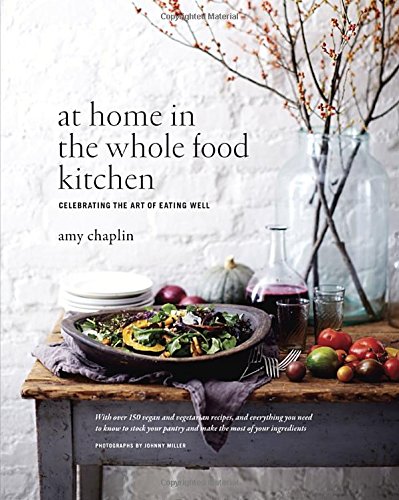
At Home in the Whole Food Kitchen: Celebrating the Art of Eating Well

A sophisticated vegetarian cookbook with all the tools you need to be at home in your kitchen, cooking in the most nourishing and delicious ways—from the foundations of stocking a pantry and understanding your ingredients, to preparing elaborate seasonal feasts. Imagine you are in a bright, breezy kitchen. There are large bowls on the counter full of lush, colorful produce and a cake stand stacked with pretty whole-grain muffins. On the shelves live rows of glass jars containing grains, seeds, beans, nuts, and spices. You open the fridge and therein you find a bottle of fresh almond milk, cooked beans, soaking grains, dressings, ferments, and seasonal produce. This is Amy Chaplin’s kitchen. It is a heavenly place, and this book will make it your kitchen too.With her love of whole food and knowledge as a chef, Chaplin has written a book that will inspire you to eat well at every meal. Part One lays the foundation for stocking the pantry. This is not just a list of food and equipment; it’s real working information—how and why to use ingredients—and an arsenal of simple recipes for daily nourishment. Also included throughout are tips on living a whole food lifestyle: planning weekly menus, why organic is important, composting, plastics vs. glass, drinking tea, doing a whole food cleanse, and much more.Part Two is a collection of recipes (most of which are naturally gluten-free) celebrating vegetarian cuisine in its brightest, whole, sophisticated form. Black rice breakfast pudding with coconut and banana? Yes, please. Beet tartlets with poppy seed crust and white bean fennel filling? I’ll take two. Fragrant eggplant curry with cardamom basmati rice, apricot chutney, and cucumber lime raita? Invite company. Roasted fig raspberry tart with toasted almond crust? There is always room for this kind of dessert. If you are an omnivore, you will delight in this book for its playful use of produce and know-how in balancing food groups. If you are a vegetarian, this book will become your best friend, always there for you when you’re on your own, and ready to lend a hand when you’re sharing food with family and friends. If you are a vegan, you can cook nearly every recipe in this book and feed your body well in the truest sense. This is whole food for everyone.

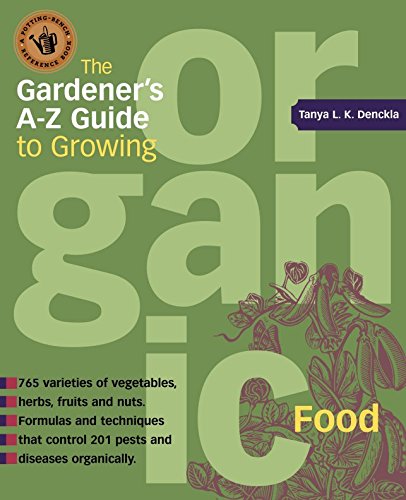
The Gardener’s A-Z Guide to Growing Organic Food

Before it was a book, The Gardener’s A-Z Guide to Growing Organic Food was organic gardener Tanya L. K. Denckla’s highly prized personal database, the distillation of years of careful research and hands-on, real-life, dirt-under-the-fingernails experience in growing her own vegetables, herbs, fruits, and nuts. Now available to all, this easy-to-read sourcebook offers much to gardeners of all skill levels, answering questions quickly and authoritatively so more time can be spent enjoying the garden. Six comprehensive chapters cover vegetables, fruits and nuts, herbs, organic remedies, and allies and companions. Within each chapter plants are arranged alphabetically, making needed information eminently accessible. Individual plant entries provide specific information on planting; temperature; soil and water needs; measurements; seed-starting dates; pests, diseases, allies, companions, and incompatibles, as applicable; when to harvest; how to store produce; and overviews of selected varieties. Fully half of the book is dedicated to organic remedies that can prevent or combat plant diseases and garden pests. Hundreds of common diseases and pests are discussed, as well as which plants are likely to be affected, how to recognize the problem, and tried-and-true natural remedies. The Gardener’s A-Z Guide to Growing Organic Food demystifies how to work collaboratively with the complex natural systems of the environment, making gardening a little easier and definitely more fun.

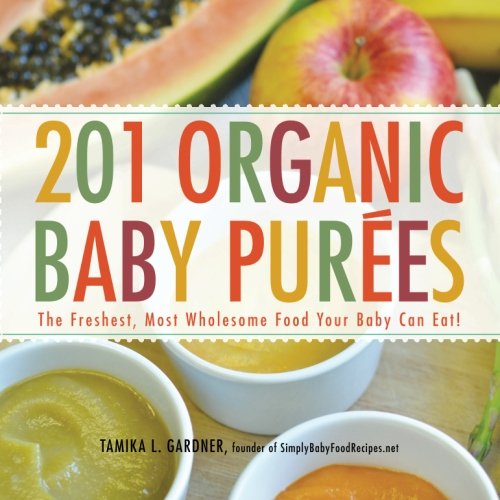
201 Organic Baby Purees: The Freshest, Most Wholesome Food Your Baby Can Eat!

Baby food should be made of the freshest, healthiest ingredients on the planet. Brimming with the biggest variety of purees sure to expand baby’s palate, 201 Organic Baby Purees teaches readers to blend, well-balanced meals right in their own home. As easy-to-prepare as they are nutritious, these recipes include: Basic fruit and veggie blends from apricots to zucchini Classic combinations such as turkey, sweet potato, and corn Superfoods like avocado, blueberries, and spinach Puree-based transition recipes including soups, biscuits, frozen desserts, and more! Free of pesticides, hormones, GMOs, and additives, these delicious purees promote strong immune systems and healthy growth–designed to protect tiny tummies.

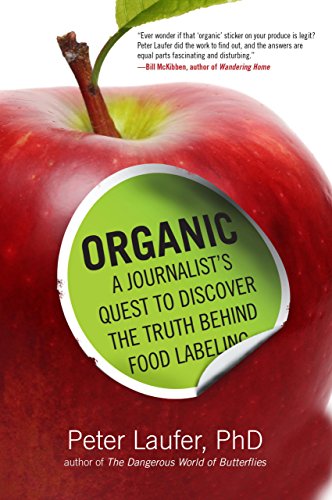
Organic: A Journalist’s Quest to Discover the Truth behind Food Labeling

Part food narrative, part investigation, part adventure story, Organic is an eye-opening and entertaining look into the anything goes world behind the organic label. It is also a wakeup call about the dubious origins of food labeled organic. After eating some suspect organic walnuts that supposedly were produced in Kazakhstan, veteran journalist Peter Laufer chooses a few items from his home pantry and traces their origins back to their source. Along the way he learns how easily we are tricked into taking “organic” claims at face value.With organic foods readily available at supermarket chains, confusion and outright deception about labels have become commonplace. Globalization has allowed food from highly corrupt governments and businesses overseas to pollute the organic market with food that is anything but. The organic environment is like the Wild West: oversight is virtually nonexistent, and deception runs amok. Laufer investigates so-called organic farms in Europe and South America as well as in his own backyard in the Pacific Northwest.The book examines what constitutes organic and by whom the definitions are made. The answers will stun readers, who have been sold a questionable, highly suspect, and even false bill of goods for years. View the book trailer for Organic at: https://www.youtube.com/watch?v=owiACnN69rY.

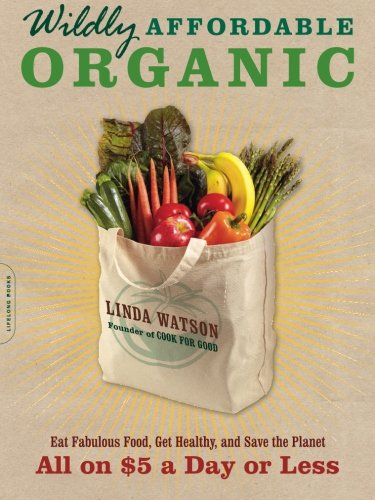
Wildly Affordable Organic: Eat Fabulous Food, Get Healthy, and Save the Planet–All on $5 a Day or Less

Buy Green. Eat Green. Save Green.If you’ve wanted to eat like it matters but felt you couldn’t afford it, Wildly Affordable Organic is for you. It’s easy to think that “organic” is a code word for “expensive,” but it doesn’t have to be. With these ingenious cooking plans and healthy, satisfying recipes, Linda Watson reveals the incredible secret of how you can eat well every day–from blueberry pancakes for breakfast to peach pie for dessert–averaging less than two dollars a meal.Get ready for wild savings! You’ll discover how to:Ease your family into a greener lifestyle with the 20-minute starter planGo organic on just $5 a day–or go thrifty and spend even lessTake advantage of your freezer and freeze your costsFind the best deals at your local farmers’ market or grocery storeCook easy, scrumptious, seasonal dishes from scratchPacked with tips for streamlining meals, from shopping and cooking to washing dishes, this book shows how sustainable living is within everyone’s reach. Slow global warming with delicious dinners? Lose weight, save money, and save the polar bears at the same time? When you live the Wildly Affordable Organic way, it is possible! Join the movement to change the way you eat–and keep the change.

Organic Manifesto: How Organic Food Can Heal Our Planet, Feed the World, and Keep Us Safe

Drawing on findings from leading health researchers as well as conversations with both chemical and organic farmers from coast to coast, Maria Rodale’s Organic Manifesto irrefutably outlines the unacceptably high cost of chemical farming on our health and our environment. She traces the genesis of chemical farming and the rise of the immense companies that profit from it, bringing to light the government’s role in allowing such practices to flourish. She further explains that modern organic farming would not only help reverse climate change by reducing harmful carbon emissions and soil depletion, but would also improve the quality of the food we eat, reduce diseases from asthma to cancer, and ensure a better quality of life in farming communities nationwide.  For every parent wondering how best to safeguard the health and safety of her children; for every environmentalist in search of a solution to the worsening crisis that afflicts our land, air, and waters; for every shopper who questions whether it is worth it to pay more for organic, Maria Rodale offers straightforward answers and a single, definitive course of action: We must demand organic now.

The One-Straw Revolution: An Introduction to Natural Farming (New York Review Books Classics)

Call it “Zen and the Art of Farming” or a “Little Green Book,” Masanobu Fukuoka’s manifesto about farming, eating, and the limits of human knowledge presents a radical challenge to the global systems we rely on for our food. At the same time, it is a spiritual memoir of a man whose innovative system of cultivating the earth reflects a deep faith in the wholeness and balance of the natural world. As Wendell Berry writes in his preface, the book “is valuable to us because it is at once practical and philosophical. It is an inspiring, necessary book about agriculture because it is not just about agriculture.” Trained as a scientist, Fukuoka rejected both modern agribusiness and centuries of agricultural practice, deciding instead that the best forms of cultivation mirror nature’s own laws. Over the next three decades he perfected his so-called “do-nothing” technique: commonsense, sustainable practices that all but eliminate the use of pesticides, fertilizer, tillage, and perhaps most significantly, wasteful effort.Whether you’re a guerrilla gardener or a kitchen gardener, dedicated to slow food or simply looking to live a healthier life, you will find something here—you may even be moved to start a revolution of your own.

The Vegetable Gardener’s Container Bible: How to Grow a Bounty of Food in Pots, Tubs, and Other Containers

By growing vegetables in containers, even novice gardeners can reap a bounty of organic food in very small spaces. Anyone can harvest tomatoes on a patio, produce a pumpkin in a planter, or grow broccoli on a balcony — it’s easy! Ed Smith shows you how to choose the right plants, select containers and tools, care for plants throughout the growing season, control pests without chemicals, and much more. He even includes plans for small-space container gardens that are perfect for urban and suburban gardeners.

The Omnivore’s Dilemma: A Natural History of Four Meals

One of the New York Times Book Review’s Ten Best Books of the Year Winner of the James Beard Award Author of #1 New York Times Bestsellers In Defense of Food and Food Rules Today, buffeted by one food fad after another, America is suffering from what can only be described as a national eating disorder. Will it be fast food tonight, or something organic? Or perhaps something we grew ourselves? The question of what to have for dinner has confronted us since man discovered fire. But as Michael Pollan explains in this revolutionary book, how we answer it now, as the dawn of the twenty-first century, may determine our survival as a species. Packed with profound surprises, The Omnivore’s Dilemma is changing the way Americans thing about the politics, perils, and pleasures of eating. “Thoughtful, engrossing … You’re not likely to get a better explanation of exactly where your food comes from.” -The New York Times Book Review “An eater’s manifesto … [Pollan’s] cause is just, his thinking is clear, and his writing is compelling. Be careful of your dinner!” -The Washington Post “Outstanding… a wide-ranging invitation to think through the moral ramifications of our eating habits.” –The New Yorker “If you ever thought ‘what’s for dinner’ was a simple question, you’ll change your mind after reading Pollan’s searing indictment of today’s food industry-and his glimpse of some inspiring alternatives…. I just loved this book so much I didn’t want it to end.” -The Seattle Times Michael Pollan’s newest book Cooked: A Natural History of Transformation–the story of our most trusted food expert’s culinary education–was published by The Penguin Press in April 2013.  

The Food Revolution: How Your Diet Can Help Save Your Life and Our World

In 1987, John Robbins published Diet for a New America, which was an early version of this book, and he started the food revolution. He continues to work tirelessly to promote conscious food choices more than 20 years later. First published in 2001, The Food Revolution is still one of the most frequently cited and talked about books of the food-politics revolution. It was one of the very first books to discuss the negative health effects of eating genetically modified foods and animal products of all kinds, to expose the dangers inherent in our factory farming system, and to advocate a complete plant-based diet. The book garnered endorsements by everyone from Paul Hawken to Neal Donald Walsch, Marianne Williamson to Julia Butterfly Hill. After ten years in print, The Food Revolution is timelier than ever–and a very compelling read. The 10th anniversary edition has an updated, new contemporary look and a new introduction by the author.